
If you’ve ever glanced in the mirror only to sigh at the sight of flaky patches or tightness across your face, you’re not alone. Very dry skin on the face is a common issue that affects people of all ages and skin types. It’s not just a seasonal phenomenon either—though winter conditions can certainly exacerbate it. Understanding the nature of this persistent skin concern is the first step toward relief. Our skin acts as a barrier, but when it’s compromised, moisture escapes, leaving your face feeling parched and sensitive. It’s similar to having a water leak in your home; if not addressed, the problem just gets bigger.
Understanding Very Dry Skin: Causes and Characteristics
Very dry skin is marked by a lack of lipids, the essential oils responsible for maintaining skin’s moisture balance. Imagine your skin as a well-oiled machine that starts to flounder without enough lubrication; that’s what’s happening at a microscopic level. This condition could result from a variety of factors, ranging from genetics to environmental stressors. While some are born with naturally dry skin, others may develop it due to hormonal changes, aging, or even skincare products that are too harsh. Skin with impaired lipid levels looks rough, feels tight, and can sometimes appear red or irritated.

Identifying the Symptoms of Very Dry Skin on the Face
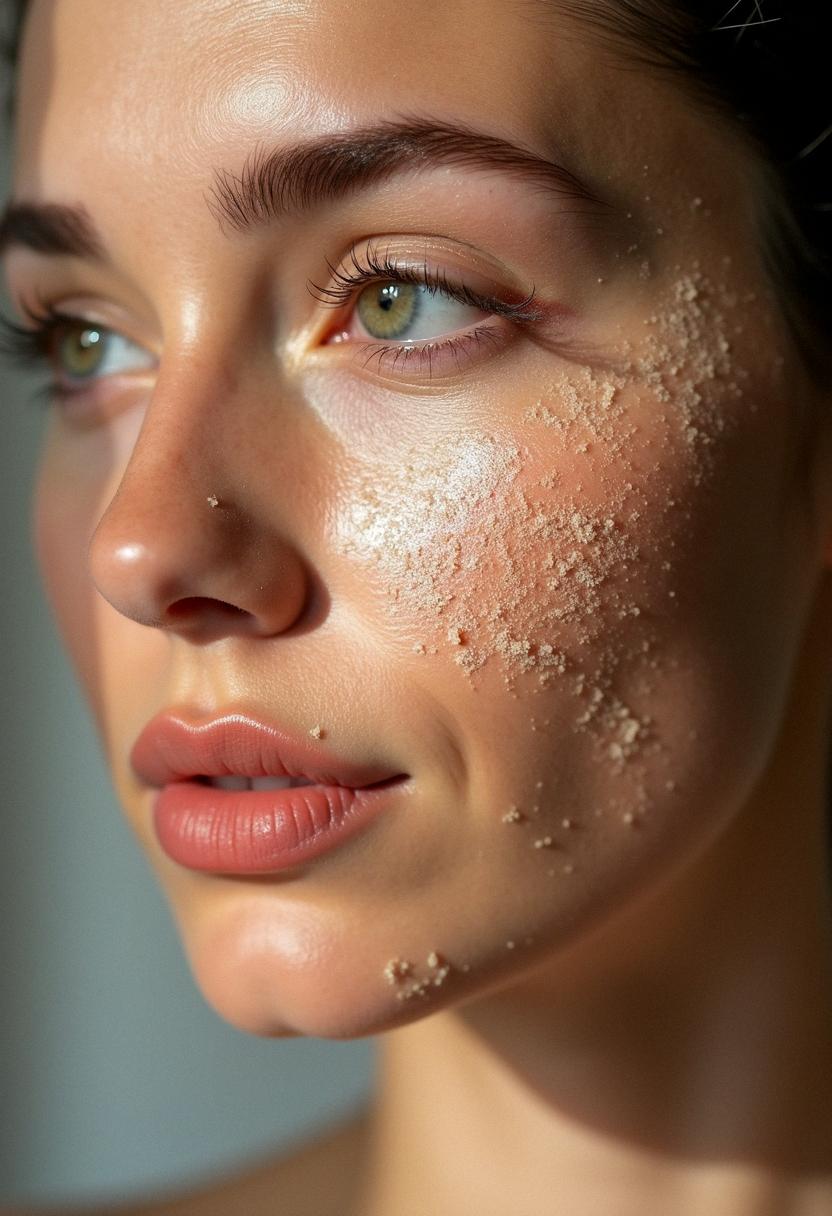
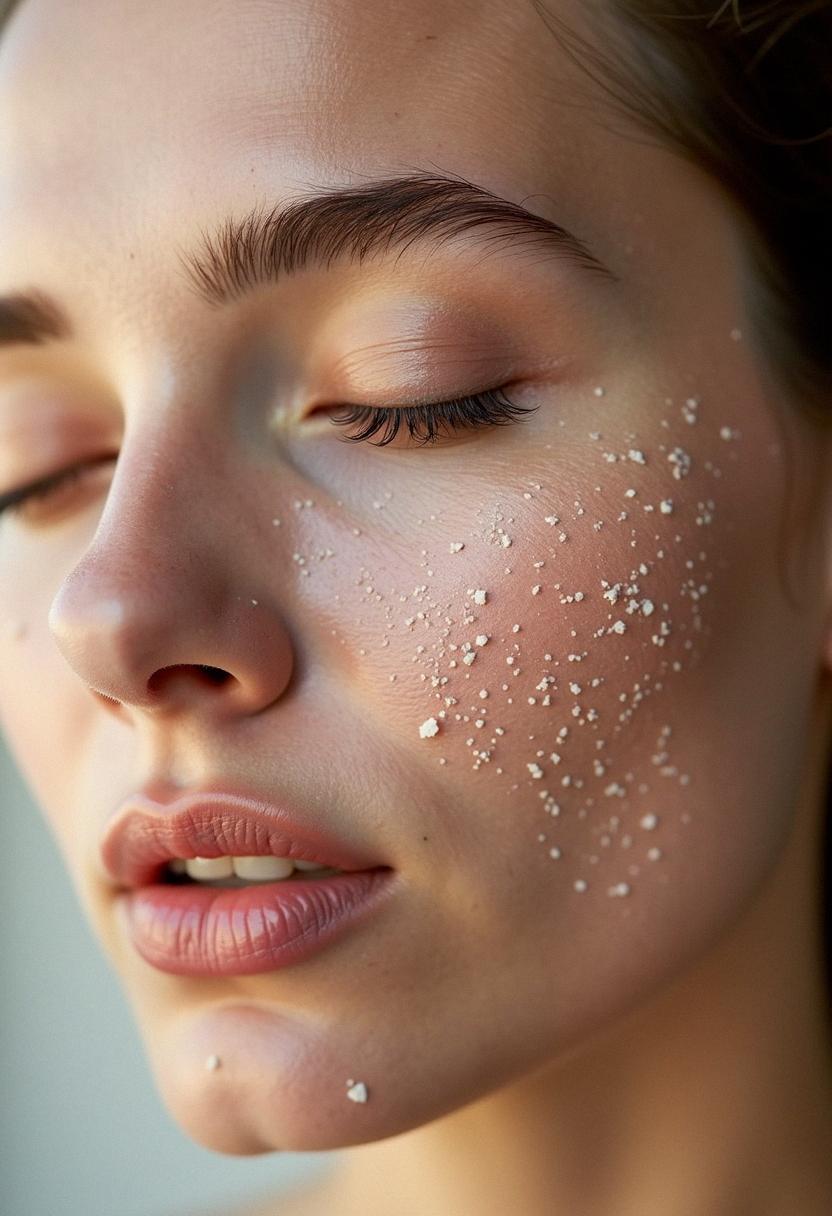
The telltale signs of very dry skin often include redness, itching, and a rough texture. Do you ever notice white, flaky areas that seem impossible to conceal with makeup? That could be an example of chronic dryness. Unlike normal skin, which rebounds from small irritations fairly quickly, very dry skin feels perpetually uncomfortable. This discomfort makes simple tasks—like smiling or applying makeup—feel like a chore. Over time, cracks may appear, and skin may begin to peel or form scales that further aggravate the problem.
Common Triggers and Environmental Factors
Environmental factors, like cold weather and low humidity, are major culprits in drawing moisture away from the skin. Picture your skin as a sponge that just can’t seem to hold onto water; it starts feeling dehydrated and stiff very quickly. Similarly, hot showers and the overuse of soaps or cleansers with harsh chemicals can strip natural oils, leaving the skin defenseless. Air pollution, too, can impair the skin barrier, saturating it with harmful particles that worsen dryness. Notice how your skin behaves differently indoors compared to stepping outside? That’s partly because most indoor heating systems lower humidity levels, thus drying your skin even more.
Lifestyle Habits That May Contribute to Dryness
We’re all guilty of a few lifestyle choices that might make very dry skin worse. Are you drinking enough water? Hydration starts from the inside out, so chugging that water bottle can make a visible difference. Smoking is another habit that dehydrates the skin by constricting blood vessels and reducing the flow of oxygen. Similarly, a diet high in caffeine or alcohol could lead to dehydration. Sleep deprivation and stress have a sneaky way of showing up on your skin by altering hormonal balances, which could lead to increased dryness. Add these factors together, and you have a perfect storm of skin saboteurs.
Effective Skincare Routine for Hydrating Dry Skin
If you’re seeking the holy grail of remedies for very dry skin, establishing a consistent skincare routine is pivotal. First things first—opt for a gentle, hydrating cleanser. Think of your cleanser as the opening act to a concert; it sets the stage for everything that follows. Exfoliate lightly but regularly to slough off dead skin cells, paving the way for your moisturizer to penetrate deeply. Following up with a serum rich in hyaluronic acid can supercharge hydration levels, similar to giving your thirsty skin a big gulp of water. And of course, seal all these hydrating steps with a rich, emollient cream to lock everything in.
Choosing the Right Moisturizer: Ingredients to Look For
When it comes to selecting a moisturizer, you’ll want ingredients that don’t just quench your skin’s thirst, but also strengthen its barrier. Look for products that include ceramides, which act like tiny bricks holding your skin’s moisture wall together. Hyaluronic acid is another hero ingredient you won’t want to skip. This wonder molecule can hold up to a thousand times its weight in water, acting as a magnet for moisture. _Squalane and glycerin_ are also excellent for attracting water to the skin. Steer clear of products with alcohol or synthetic fragrances, as these can make dry skin issues worse.
Natural Remedies and DIY Treatments for Dry Skin Relief
For those who love natural solutions, your kitchen might just be a treasure trove of dry skin remedies. Olive oil, for instance, can serve as a nourishing pre-bath treatment thanks to its rich source of antioxidants and healthy fats. Smearing some honey on your face isn’t just a sweet idea; it’s antibacterial and an effective humectant, drawing moisture from the environment to your skin. A calming oatmeal mask can provide relief from itching and redness. Imagine these as homemade balms that soothe your skin, just like a warm cup of chamomile tea eases a sore throat. Keep it simple but consistent for the best results.
How to Protect Your Skin from Harsh Weather Conditions
If you’re grappling with very dry skin, the change in seasons can feel like an added obstacle. Whether it’s winter’s chill or summer’s sun, protecting your skin from harsh environmental factors requires vigilance. Invest in a good sunscreen, even on cloudy days; sun exposure not only accelerates aging but also disrupts hydration. Wearing hats or scarves creates a physical barrier against the elements and retains natural oils. Note how a windbreaker shields you from the cold? Your clothes can do the same for your skin. And think twice before cranking up the heater—it can sap indoor humidity, worsening dryness.
Foods and Nutrition Tips for Healthy, Hydrated Skin
Your diet plays a significant role in how your skin looks and feels. Omega-3 fatty acids, found in foods like fish, flaxseeds, and walnuts, act like internal moisturizers. Eating them regularly is like installing a tiny water fountain inside your cells. Fruits and vegetables rich in antioxidants, such as berries and leafy greens, help repair and smooth the skin, offering an additional layer of protection against dryness. Ensuring sufficient Vitamin E and C intake also bolsters your skin’s defense mechanisms. Drinking enough water—at least eight glasses a day—serves as the foundation for supple skin, akin to watering a plant to help it thrive.
Frequently Asked Questions About Very Dry Facial Skin
What are the main causes of very dry facial skin? The main causes include genetics, aging, environmental factors like weather, and lifestyle choices such as diet and skincare products.
How often should I moisturize my face if I have very dry skin? Aim to moisturize at least twice a day—once in the morning and once before bed—for optimal hydration.
Can very dry skin heal itself? While some cases may improve with lifestyle changes and hydration, persistent dryness might require professional treatment.
















When to Consult a Dermatologist for Severe Dryness
When home remedies and over-the-counter treatments fail, it’s time to consider consulting a dermatologist. If you’re experiencing persistent itching, cracking, or if your skin frequently develops infections or sores, these could be signs of a more serious condition like eczema or psoriasis. Seeing a professional ensures you’re not only getting a targeted treatment plan but also peace of mind. Much like trusting a mechanic with a strange noise in your car, a dermatologist can diagnose and offer solutions that you might not have considered. Early intervention can prevent complications and help maintain your skin’s health long-term.
